culture · japan-walk.com
Sacred Shrines of Japan
Torii gates, forest spirits, and festivals that have welcomed travelers for a thousand years.
Shinto shrines (神社, jinja) mark the soul of Japanese landscape—vermillion gates, rope-wrapped stones, and seasonal matsuri that turn quiet precincts into celebrations. Learning a few rituals transforms every visit from sightseeing into participation.
At a glance
Spring (sakura) and autumn (momiji); summer festivals June–August
Most shrines free; ¥500–¥1,000 for special gardens or museums
2–5 days in Kansai; 1 day Miyajima add-on
Culture lovers, photographers, festival seekers
- · Perform temizu purification before approaching the main hall.
- · Bow twice, clap twice, bow once at the offering hall when praying.
- · Weekday dawn visits to Fushimi Inari avoid peak crowds.
Top destinations
Curated places to begin your journey.
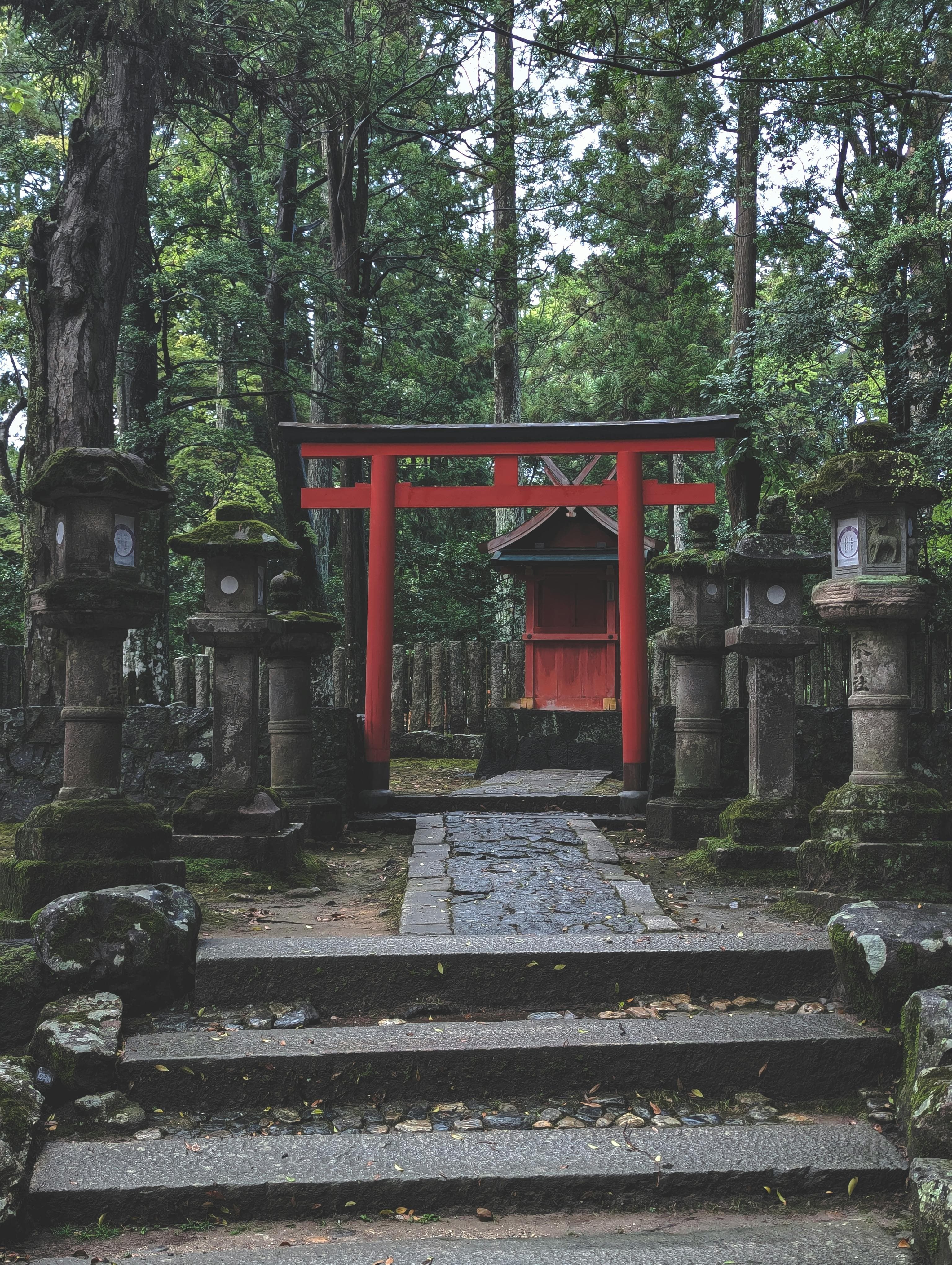
Thousands of torii gates winding up Mount Inari through mossy forest.
Most photographed shrine path in Japan; fox messengers; night hikes possible.
Best time: Sunrise on weekdays
Floating torii rising from the Seto Inland Sea at high tide.
UNESCO icon; island deer; ropeway mountain views.
Best time: High tide mornings; autumn leaves
Japan’s most sacred shrine complex, rebuilt every 20 years in cedar forests.
Spiritual center of Shinto; elegant simplicity; paired inner/outer shrines.
Best time: Weekday mornings year-round

A forest shrine oasis between Harajuku and Shibuya.
Massive torii of cypress; seasonal weddings; New Year pilgrimages.
Best time: Early Sunday or January hatsumode
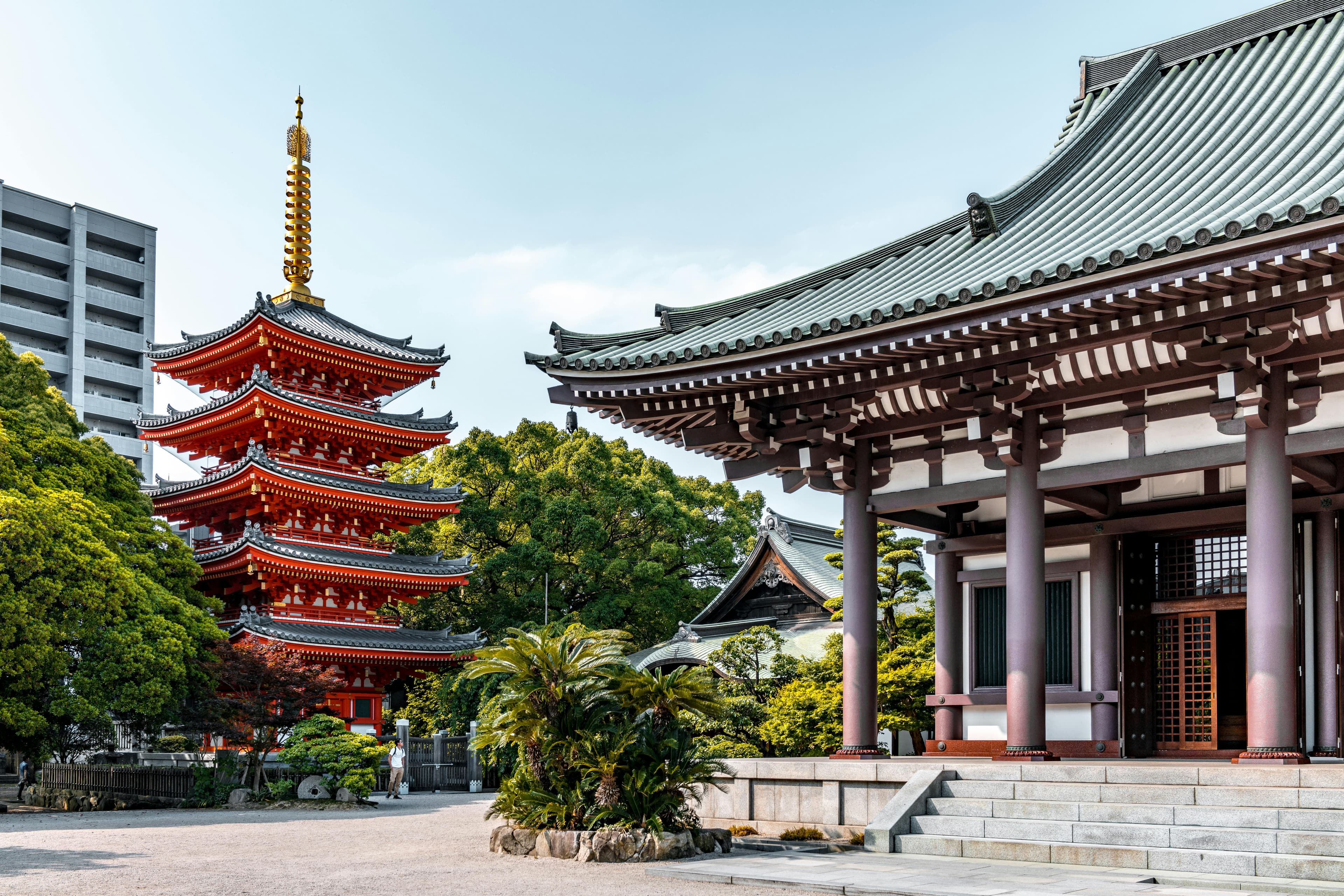
Three thousand stone lanterns lining paths through Kasuga Primeval Forest.
Lantern festivals twice yearly; UNESCO; deer-filled approach.
Best time: February & August lantern festivals
Lavish gold and lacquer honoring Tokugawa Ieyasu among ancient cedars.
See no evil monkeys carving; five-story pagoda; mountain air.
Best time: October foliage
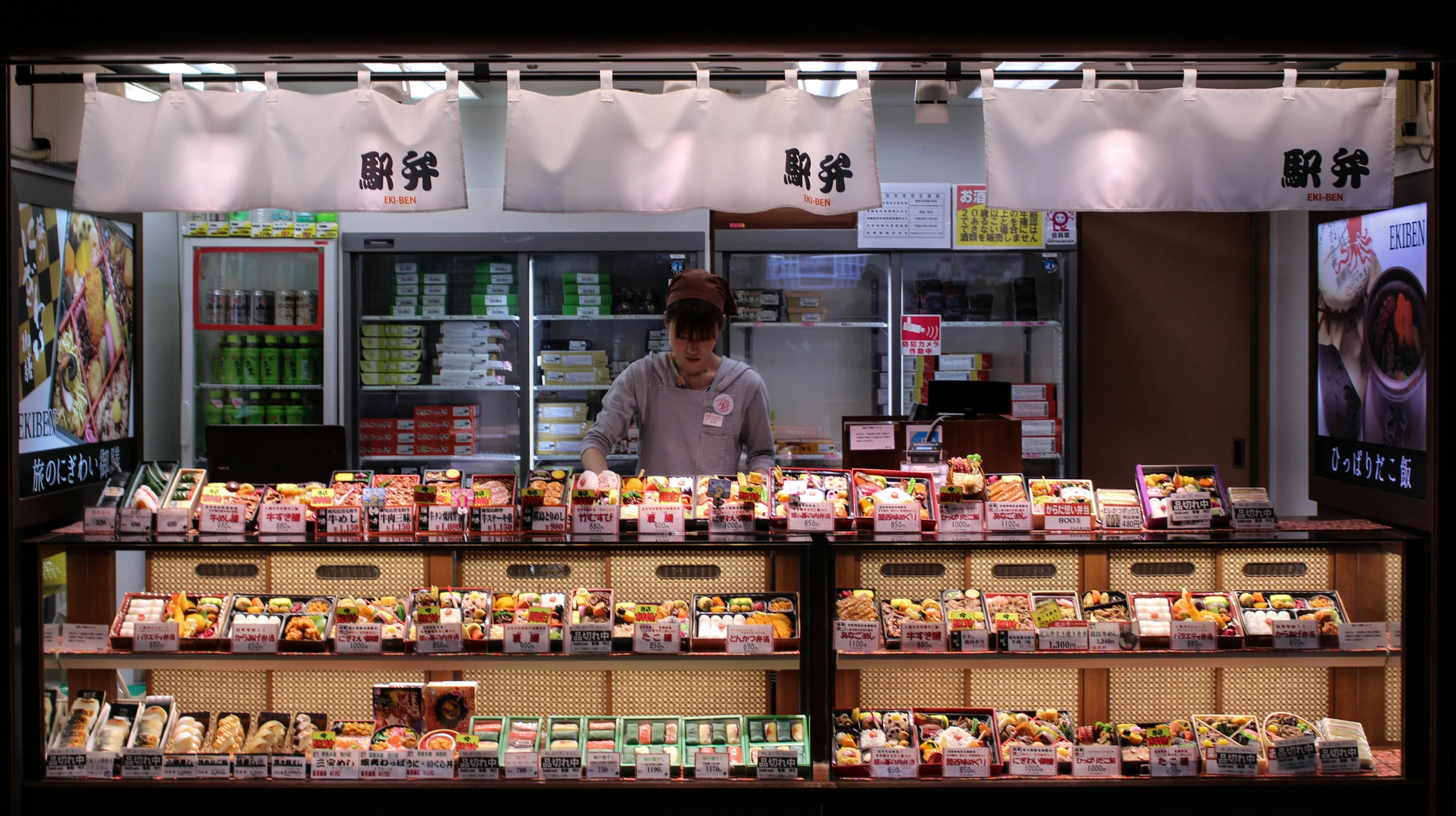
Distinctive straight-roofed architecture predating Buddhist influence.
Photogenic arched bridge; local Osaka pilgrimage traditions.
Best time: New Year or summer festivals
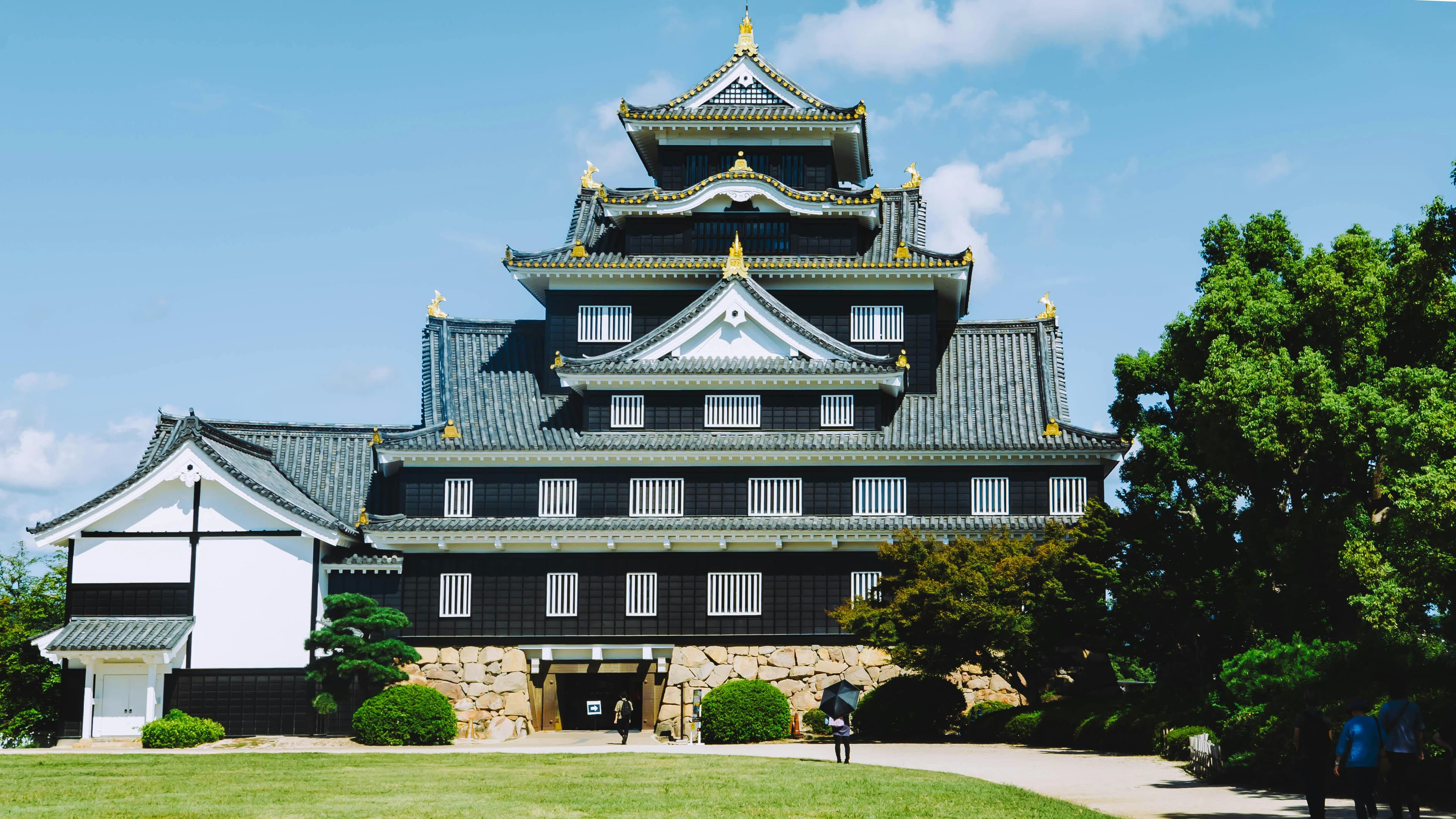
Home of the sacred sword Kusanagi—one of Japan’s imperial regalia.
Serene urban forest; deep history; local festival calendar.
Best time: Weekday afternoons
Torii in Lake Ashi with Fuji views on clear days.
Onsen town pairing; pirate ship cruises; ropeway combos.
Best time: Winter clear days for Fuji
Where gods gather each October—massive shimenawa rope marks the hall.
Mythic origins; coastal Shimane culture; less crowded than Kyoto.
Best time: October kamiari season
Featured experiences
Climb Fushimi Inari before tour buses arrive.
Portable shrines, drums, and street food in summer neighborhoods.
Collect shrine calligraphy stamps in a dedicated book.
Witness processions at Meiji or Nikko on weekends.
Kasuga or local shrine illuminations with thousands of candles.
Ferry to Miyajima for tide-perfect floating torii photos.
Culture & etiquette
Scoop water with the ladle in order: left hand, right hand, mouth (optional light rinse), then tip the ladle vertically to clean the handle.
Bow twice, clap twice, make your wish silently, bow once. At some shrines clapping is not used—observe locals.
Walk to one side near the post; the center path is for deities. Bow lightly before passing through major gates.
Refrain from photos directly at the altar. Drones are widely banned.
Do not touch mikoshi portable shrines unless invited. Follow staff directions in crowds.
Itinerary ideas
Seasonal note: Rainy days: fewer crowds on the mountain.
Local flavors
Sweet tofu pockets named for fox messengers at Inari shrines.
Spring rice cakes wrapped in pickled cherry leaves.
Grilled rice dumplings with sweet soy—shrine festival classic.
Mildly sweet fermented rice drink, often served at New Year.
River fish popular near rural mountain shrines in summer.
Photography spots
Tunnel of gates on the lower loop.
Shoot from the sand at low tide or boat at high tide.
Mossy paths through the forest.
Frequently asked questions
How do I pray at a shrine?
Purify at the fountain, approach the hall, toss a coin, bow twice, clap twice, pray, bow once.
Are shrines free?
Most grounds are free. Special gardens or museums may charge a small fee.
Can non-Shinto visitors participate?
Yes. Shrines welcome respectful visitors of all backgrounds.
What is a goshuin?
A calligraphic stamp in a goshuincho book recording your visit—available for a fee at many shrines.
Is Fushimi Inari open 24 hours?
Yes. The mountain paths are open day and night; stay on marked trails after dark.
When is hatsumode?
First shrine visit of the New Year, peak Jan 1–3. Expect long lines at famous shrines.
Can I bring pets?
Generally no on sacred grounds except service animals. Check specific shrine rules.
Are weddings open to watch?
Processions in public courtyards can be observed quietly; do not block paths or use flash.
Torii photography etiquette?
Step aside for worshippers; never climb on gates.
Best shrine for first-time visitors?
Meiji Jingu in Tokyo or Fushimi Inari in Kyoto—both accessible and iconic.
Explore more on japan-walk.com