wellness · japan-walk.com
Onsen — Japan’s Living Hot Springs
Steam, mineral waters, and the art of doing nothing beautifully.
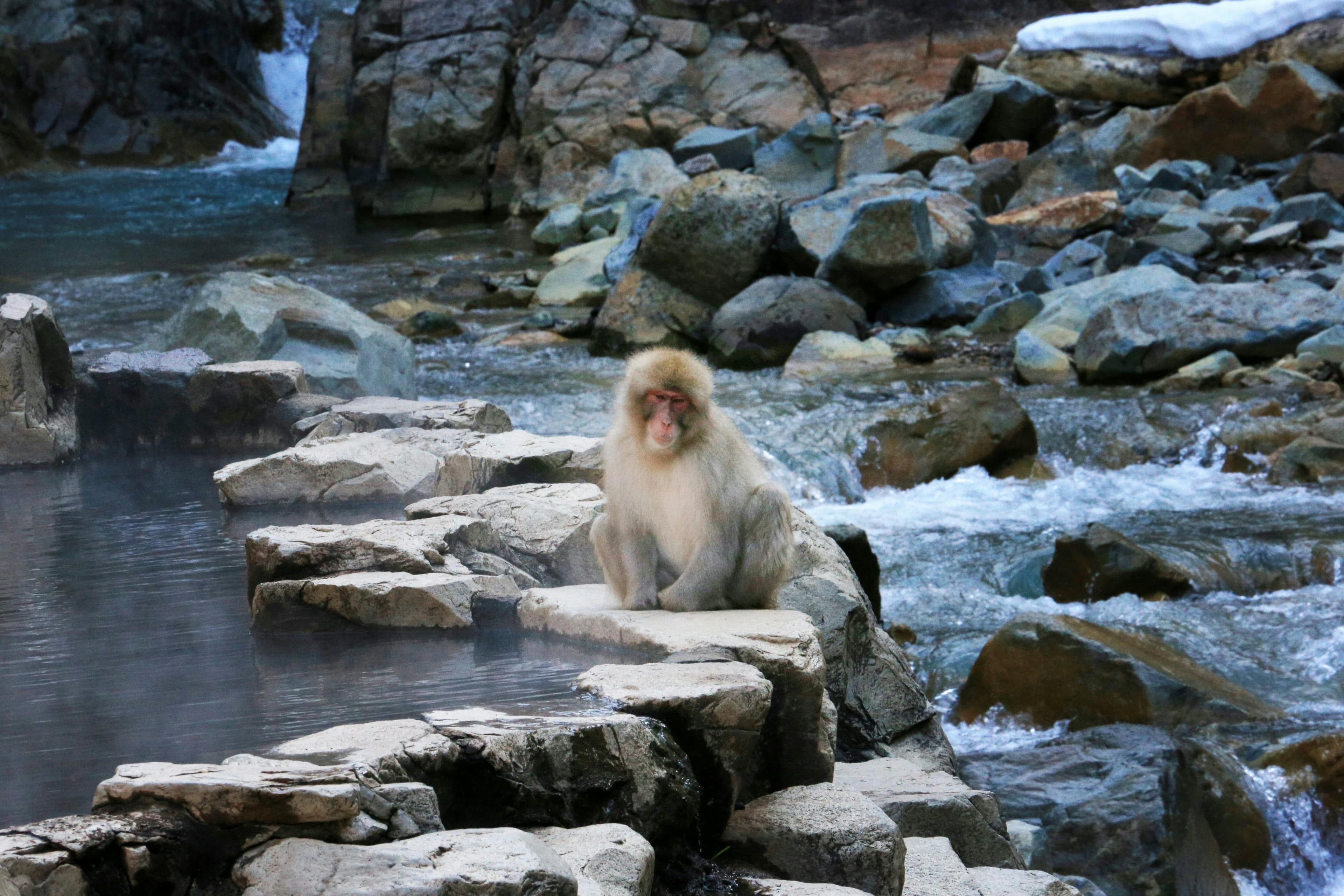
An onsen is more than a hot bath—it is a ritual of cleansing, community, and landscape. From snowy rotenburo in Hokkaido to riverside baths in Kyushu, each town offers its own water chemistry, ryokan hospitality, and quiet evening yukata strolls.
At a glance
Winter for snow views; autumn for foliage; year-round for healing
¥8,000–25,000/night ryokan with meals
2–4 nights across one or two towns
Couples, slow travelers, wellness seekers
- · Wash thoroughly before entering baths—never soap in the tub.
- · Tattoo policies vary; check ryokan rules or book tattoo-friendly baths.
- · Hydrate after bathing; alcohol and hot springs mix poorly.
Top destinations
Curated places to begin your journey.
Mountain onsen ring with Fuji views, art museums, and lake cruises.
Easy from Tokyo; variety of ryokan; yosegi crafts.
Best time: Winter clear Fuji days
Eight hells of steaming vents plus coastal resort baths.
Volume of hot water; jigoku tour; sand baths.
Best time: Autumn
Acidic yubatake field cooling mineral water in the town center.
Top-rated waters; ski season pairing.
Best time: Winter snow
Three-story wooden bathhouse inspiring Spirited Away aesthetics.
Historic main building; literary heritage.
Best time: Spring
Hell valley sulfur gorge feeding diverse mineral baths.
Dramatic volcanic scenery; bear park nearby.
Best time: Winter
Snow-dusted wooden ryokan row along a river—storybook night views.
Cinematic winter; advance booking essential.
Best time: January–February snow
Forest village of outdoor baths with a wooden pass for hopping between inns.
Rotemburo meguri culture; nature immersion.
Best time: Autumn leaves
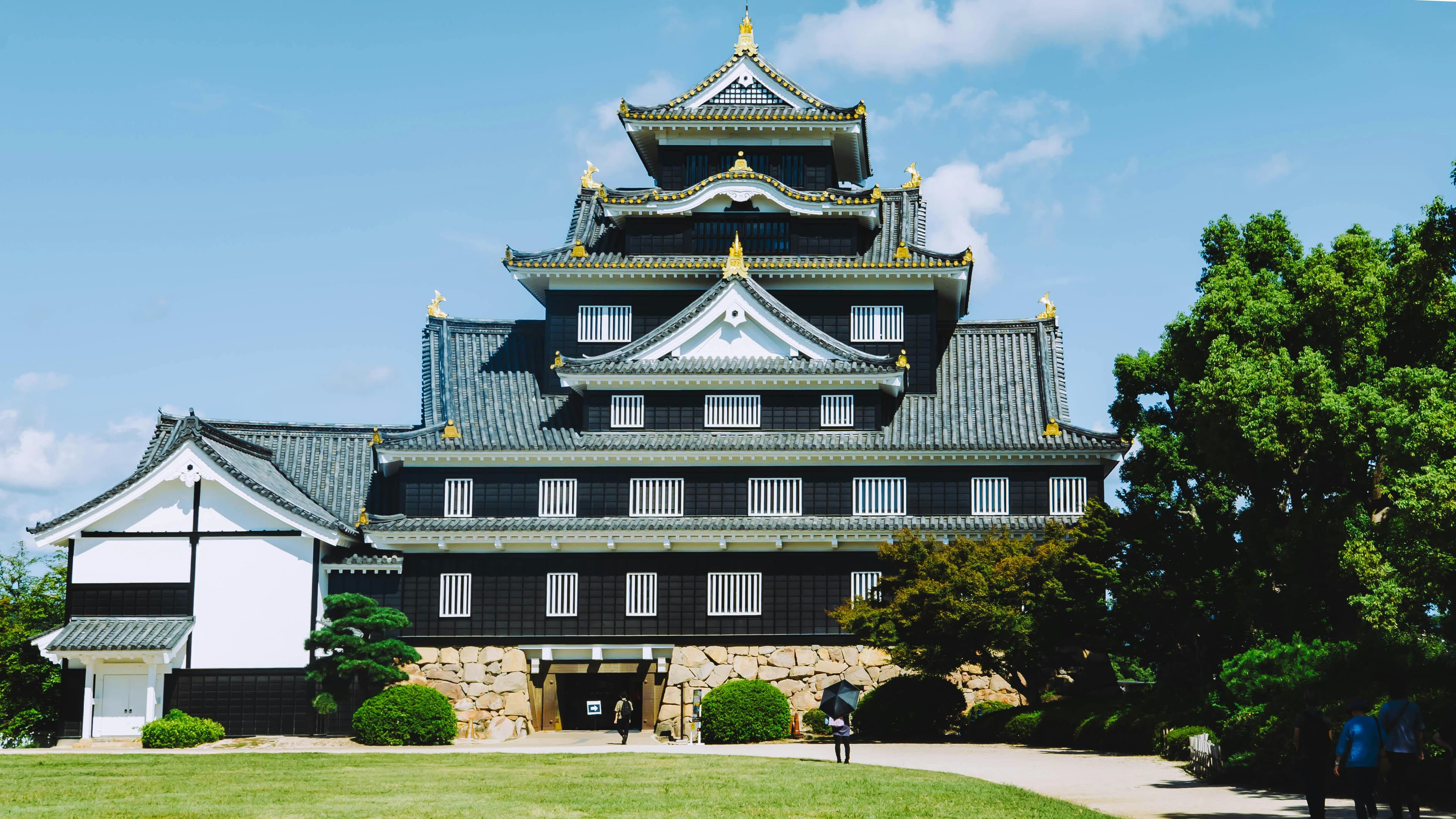
Gold and silver waters minutes from Kobe—Japan’s oldest hot spring town.
Kinsen & Ginsen chemistry; luxury ryokan.
Best time: Autumn
Remote milky-blue baths in deep snow country.
Rustic lodges; mixed-gender options by hour.
Best time: Deep winter
Volcanic sand baths heated naturally on the beach.
Unique burial-style sand steam; subtropical coast.
Best time: Spring
Featured experiences
Multi-course dinner in your room after yukata and baths.
Outdoor bath as mist rises—often empty before breakfast.
Hop between baths in Kurokawa or Hakone with a wooden ticket.
Free ashiyu along river walks in Kusatsu and Arima.
Beppu sand burial or Myoban mud wraps.
Kashikiri baths bookable by the hour for tattooed or shy guests.
Culture & etiquette
Use the shower area completely—hair, body, feet—before entering the tub. Never rinse soap into shared water.
Small towels on your head or beside the tub—never in the water.
Policies vary. Search tattoo-friendly onsen or book private baths in advance.
Baths are for relaxation; keep conversations low.
Avoid heavy drinking before bathing; dehydration risk is real.
Itinerary ideas
Local flavors
Seasonal multi-course highlighting local mountain and sea ingredients.
Eggs slow-cooked in hot spring water—silky yolk.
Buckwheat noodles restore salt balance post-soak.
Beppu jigoku-mushi desserts using vent steam.
Small cups only—hydrate with water between baths.
Photography spots
Gas lamps reflecting on snow.
Steaming wooden channels at night.
Frequently asked questions
Are tattoos allowed in onsen?
Many traditional baths ban tattoos. Use private kashikiri baths or tattoo-friendly listings—never try to hide with bandages if rules forbid.
Do I wear a swimsuit?
No in traditional onsen—bathing nude by gender-separated areas. Theme parks and some resort baths may differ.
Can couples bathe together?
Rare in public baths. Book private rotenburo or mixed-gender hours where offered.
What about menstruation?
Some visitors use tampons and skip bathing; private baths may be more comfortable—ask ryokan discreetly.
How hot are the waters?
Often 38–42°C. Enter slowly; limit sessions to 10–15 minutes before cooling off.
Should I remove all jewelry?
Yes—sulfur waters can tarnish metal.
Day-trip vs overnight?
Overnight ryokan includes dinner and morning bath—worth the splurge once in your trip.
Are children welcome?
Family baths exist; teach quiet etiquette early.
Best onsen near Tokyo?
Hakone, Kinugawa, and Kusatsu (longer) are top picks.
Do I tip at ryokan?
No tipping. A small envelope for attendant (nakai) is optional at high-end stays.
Explore more on japan-walk.com