culture · japan-walk.com
Ancient Temples of Japan
Walk through incense-filled halls, hidden mountain sanctuaries, and centuries of spiritual tradition.
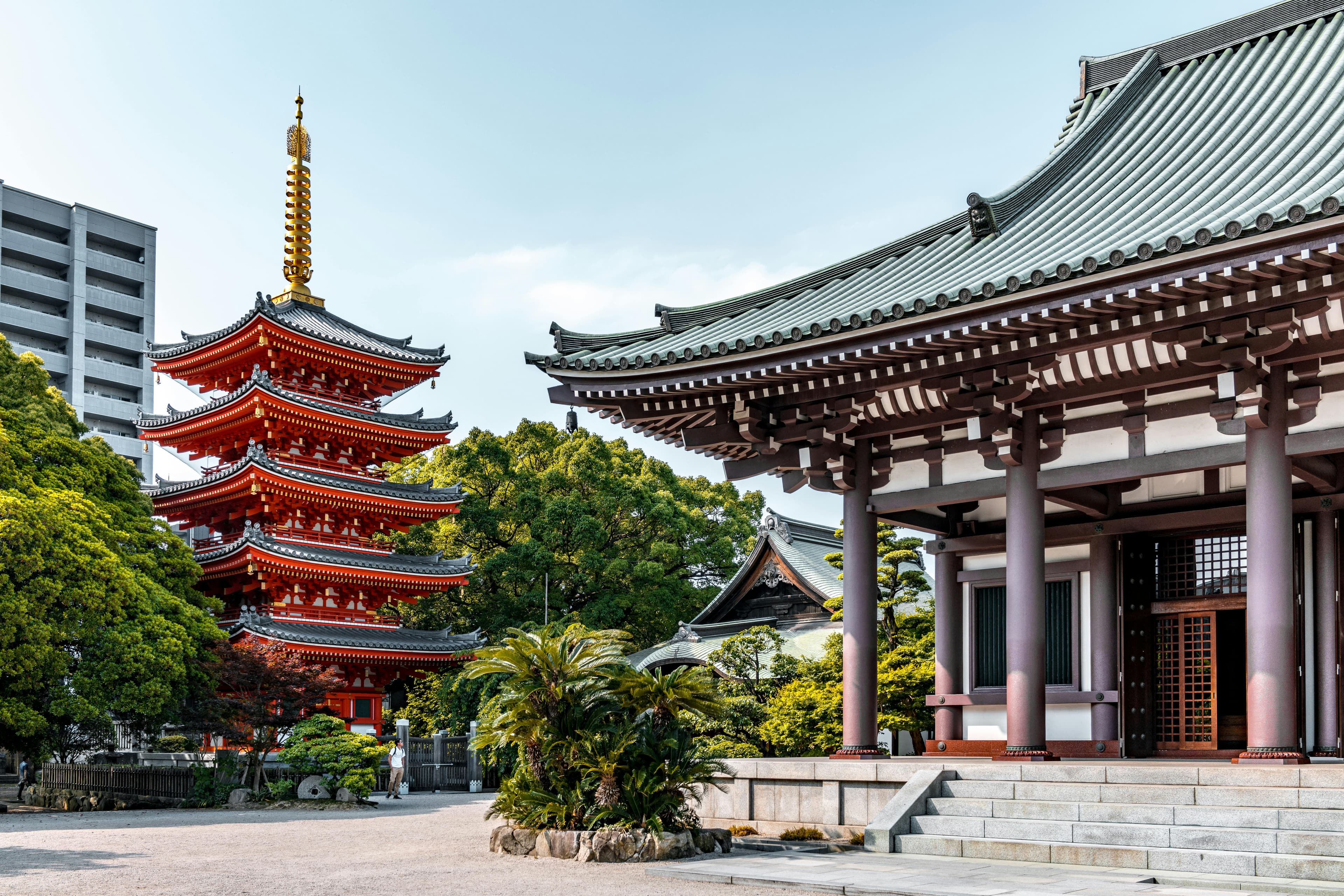
Japanese temples (お寺, otera) are living museums of wood, stone, and silence—where Zen gardens, golden pavilions, and morning gongs shape the rhythm of travel. From Kyoto’s temple districts to remote mountain monasteries, each visit rewards patience, quiet footsteps, and an open heart.
At a glance
Late March–May (sakura) and mid-October–November (momiji)
¥500–¥2,000 per temple (many free); ¥8,000–15,000/day with transport
3–7 days in Kansai; add 2 days for Koyasan or Nikko
Culture seekers, photographers, slow travelers, and spiritual explorers
- · Arrive within 30 minutes of opening for empty courtyards and soft light.
- · Wear slip-on shoes—you will remove them often inside halls.
- · Photography may be restricted in main halls; look for signs or ask staff.
- · Combine temple visits with nearby gardens or tea houses for a full morning.
Top destinations
Curated places to begin your journey.
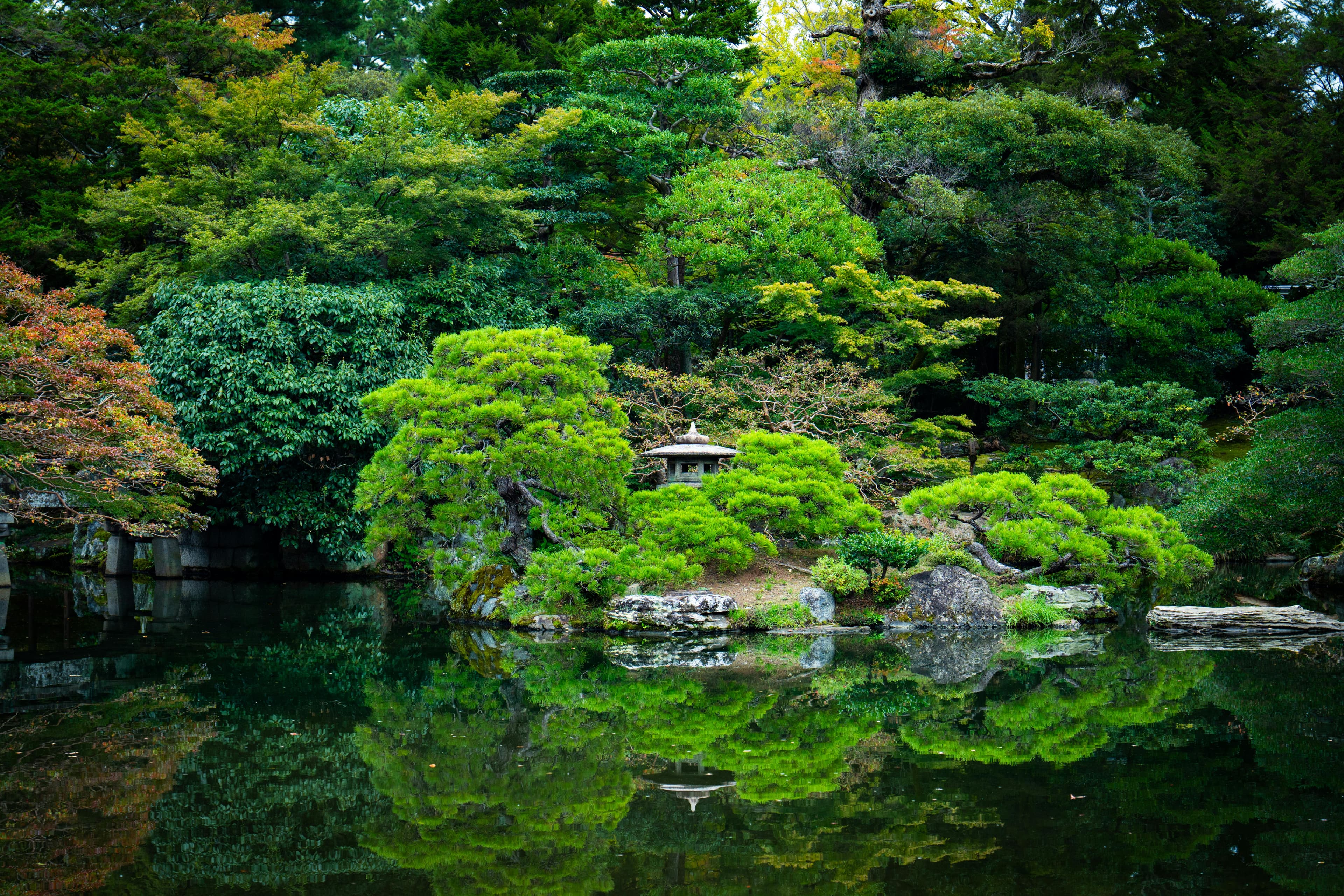
A Zen temple whose top two floors are coated in gold leaf, reflected in a mirror pond.
Iconic silhouette; UNESCO World Heritage; unforgettable at opening time.
Best time: Early morning or snow days in winter
Perched on a hillside with a vast wooden stage overlooking cherry and maple valleys.
Dramatic architecture; seasonal night illuminations; Higashiyama district access.
Best time: Spring sakura or autumn foliage evenings

Tokyo’s oldest temple, approached through Nakamise shopping street and a thunder gate.
Urban spirituality; festival energy; easy first-temple experience in Japan.
Best time: Weekday dawn or winter illuminations
Home to the Great Buddha in one of the world’s largest wooden buildings.
Scale and history; deer-filled Nara Park approach; powerful interior atmosphere.
Best time: Morning on weekdays
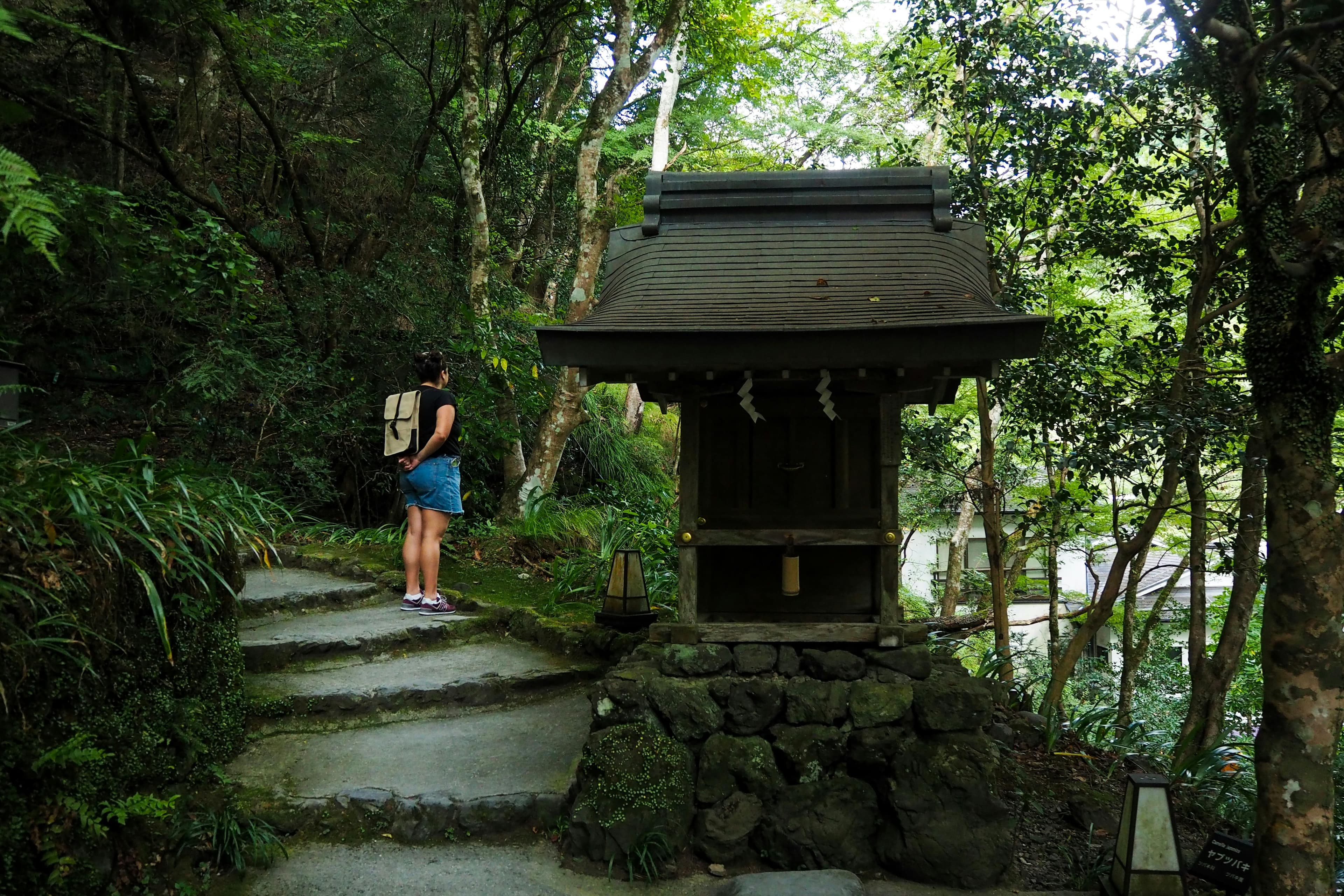
A Rinzai Zen complex of wooded paths, bell towers, and meditation halls.
Quiet alternative to crowded Kyoto; coastal Kamakura day-trip from Tokyo.
Best time: June hydrangea season or crisp autumn
Ornate lacquer and gold carvings among cedar forests—a temple-shrine masterpiece.
UNESCO site; detailed craftsmanship; mountain air two hours from Tokyo.
Best time: October foliage or May fresh green
Headquarters of Shingon Buddhism on a misty mountaintop of over 100 temples.
Overnight temple lodging (shukubo); morning prayer; cemetery forest of Okunoin.
Best time: Autumn colors or quiet winter snow
A 1,400-year pilgrimage temple where a hidden Buddha is never shown to the public.
Pilgrim culture; Togakushi side trips; winter monkey parks nearby.
Best time: Winter snow festival season or cool summer
Famous for its abstract rock garden—fifteen stones arranged so not all are visible at once.
Zen minimalism; reflective pond garden; peaceful northwest Kyoto location.
Best time: Opening time or rainy days for mood
A golden hall surviving from the 12th century in northern Tohoku’s temple heartland.
Off-the-beaten-path history; UNESCO; serene rural setting.
Best time: Summer green or winter snow
Featured experiences
Enter with locals as gates open; listen for gongs and watch monks prepare halls.
Sleep in a pilgrim’s room, dine on shojin ryori, and join dawn prayers.
Short seated sessions offered at select temples in Kyoto and Kamakura.
Collect calligraphic stamps and seals across a curated route of halls.
Seasonal light-ups at Kiyomizu-dera, Todai-ji, and other major sites.
Plant-based Buddhist cuisine emphasizing seasonality and subtle flavor.
Culture & etiquette
Bow lightly at the main gate, walk calmly, and avoid loud voices. Treat the precinct as sacred public space.
Unlike shrines, not every temple has a chozuya. When present, rinse hands quietly—never drink from the ladle.
Outdoors is often fine; interior halls may forbid photos and flash. Never climb on structures for shots.
Coins in the offertory box are welcome; small bills are acceptable at major sites. No change is given.
Shoulders and knees covered are appreciated. Remove shoes where indicated and wear socks without holes.
Itinerary ideas
Seasonal note: Autumn: add night viewing; spring: combine Philosopher’s Path.
Seasonal note: Swap Fushimi for night illuminations in peak foliage weeks.
Seasonal note: Winter: check mountain road closures.
Local flavors
Buddhist plant-based cuisine—tofu, yuba, seasonal mountain vegetables.
Kyoto’s simmered tofu hot pot, perfect after temple mornings in winter.
Wagashi paired with thick tea near temple districts.
Creamy Koyasan specialty with subtle nutty sweetness.
Simple noodles served near rural monasteries for pilgrims.
Portable lunch for long temple trail days.
Photography spots
Classic frontal reflection with pavilion and pines.
Wide view over the valley of maples or cherry trees.
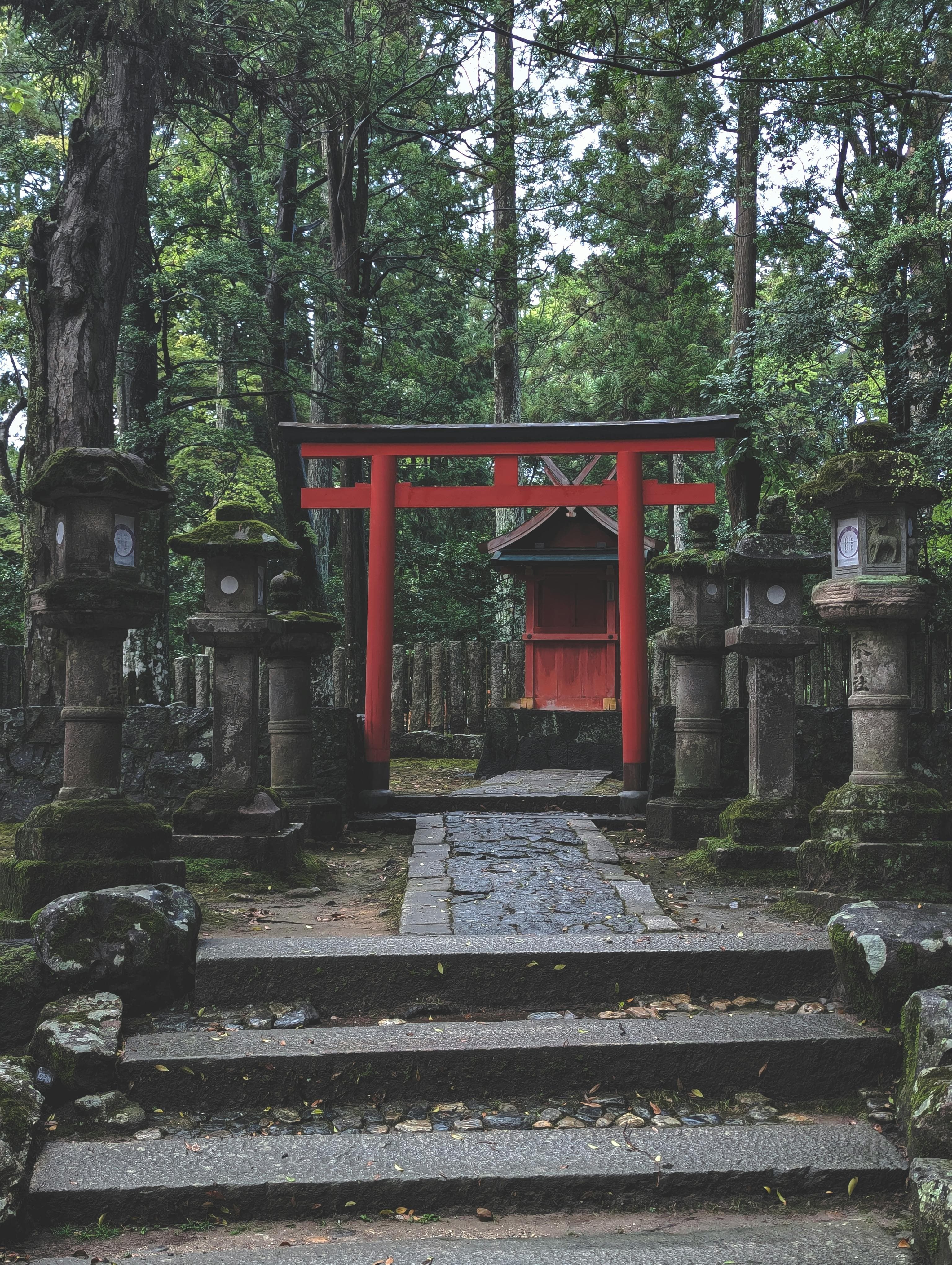
Mossy lanterns and towering trees on Koyasan.
Frequently asked questions
Are temples free to enter?
Many neighborhood temples are free. Major heritage sites charge ¥300–¥1,000. Some offer combined tickets for temple clusters in Kyoto and Nikko.
What is the difference between a temple and a shrine?
Temples are Buddhist (gates, incense, Buddha halls). Shrines are Shinto (torii gates, purification fountains, kami worship). Many itineraries include both.
Can I join meditation as a tourist?
Yes at select temples with advance booking or drop-in sessions in English during peak seasons. Dress modestly and arrive early.
Is photography allowed inside temple halls?
Often prohibited indoors, especially near altars. Always check signs. Drone use is restricted nationwide near heritage sites.
How much time should I spend at each temple?
Allow 45–90 minutes for major sites including gardens. Small sub-temples may take 20 minutes. Build buffer for queues at Kiyomizu and Kinkaku-ji.
Are temples wheelchair accessible?
Historic sites have steps and gravel paths. Some offer alternative routes; check official accessibility pages before visiting.
What should I wear?
Comfortable walking shoes, modest clothing, and socks without holes for shoe-removal areas. Avoid large backpacks in crowded halls.
Can children visit temples?
Yes. Keep voices low and hold hands in crowded verandas. Some gardens welcome strollers; inner halls may require carrying.
When is the best time to avoid crowds?
Weekday openings, January–February (except New Year), and rainy mornings. Avoid Golden Week and obon unless you book stays early.
Is there a dress code for shukubo stays?
Casual modest wear is fine; yukata provided at lodging. Join prayers silently and follow meal times strictly.
Explore more on japan-walk.com