nature · japan-walk.com
Japanese Gardens — Living Art
Moss, stone, water, and the quiet discipline of designed nature.
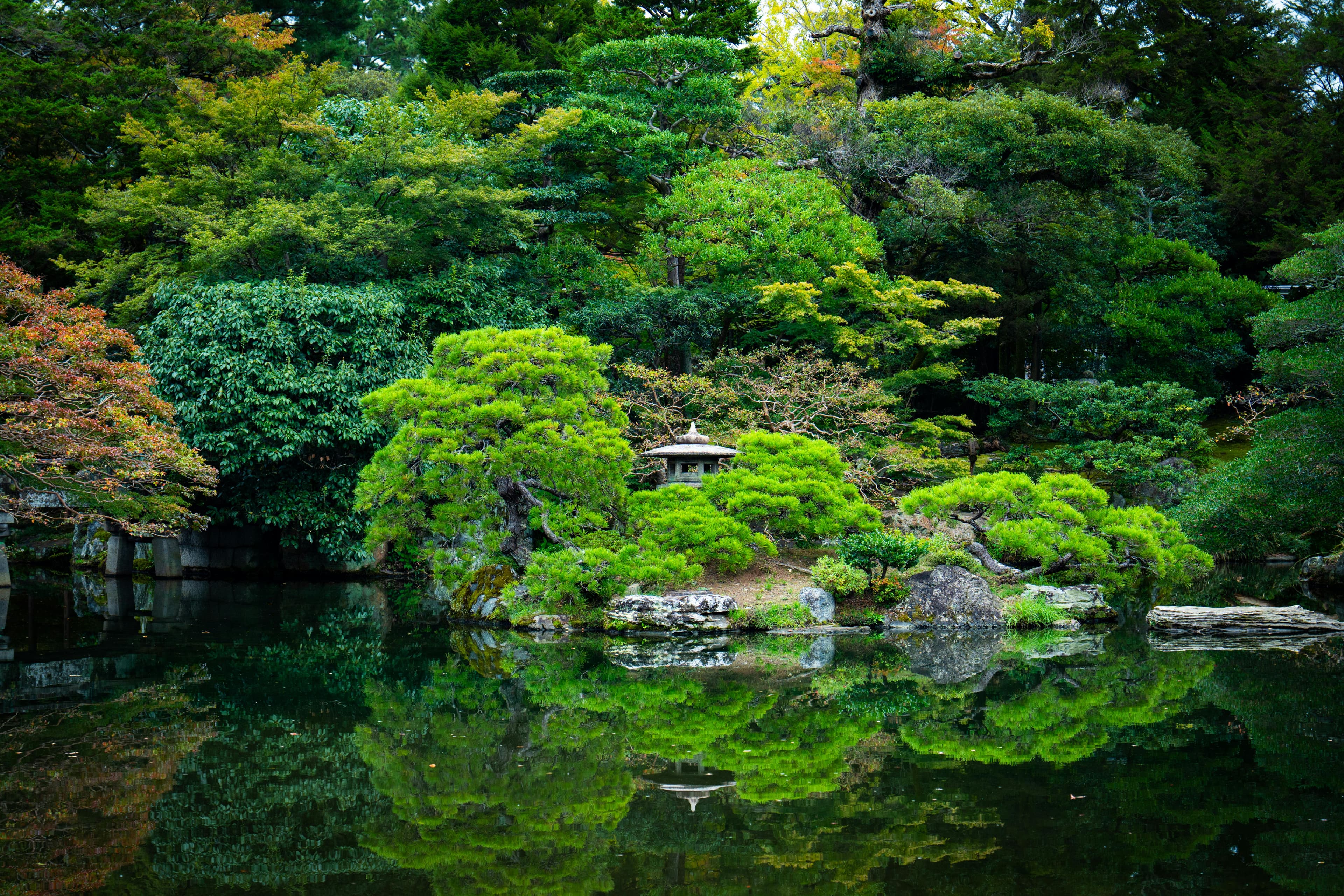
A Japanese garden is a poem in three dimensions—borrowed scenery, clipped pines, and paths that slow your steps. From imperial stroll gardens to Zen rock compositions, each space teaches attention, seasonality, and the beauty of empty space.
At a glance
Late March–May; mid-November for autumn color
¥300–¥1,000 per garden; tea ceremony extra
2–4 days in Kyoto; add Kanazawa for Kenrokuen
Aesthetes, photographers, slow travelers
- · Visit opening time for mist and empty paths.
- · Combine garden with tea house reservation where offered.
- · Wear quiet shoes—gravel paths are part of the experience.
Top destinations
Curated places to begin your journey.
One of Japan’s three great gardens—ponds, lanterns, and seasonal pruning.
Year-round beauty; winter yukitsuri rope trees.
Best time: Cherry & snow seasons
Masterpiece of stroll garden design—reservation required.
Architectural harmony; guided tours only.
Best time: Autumn
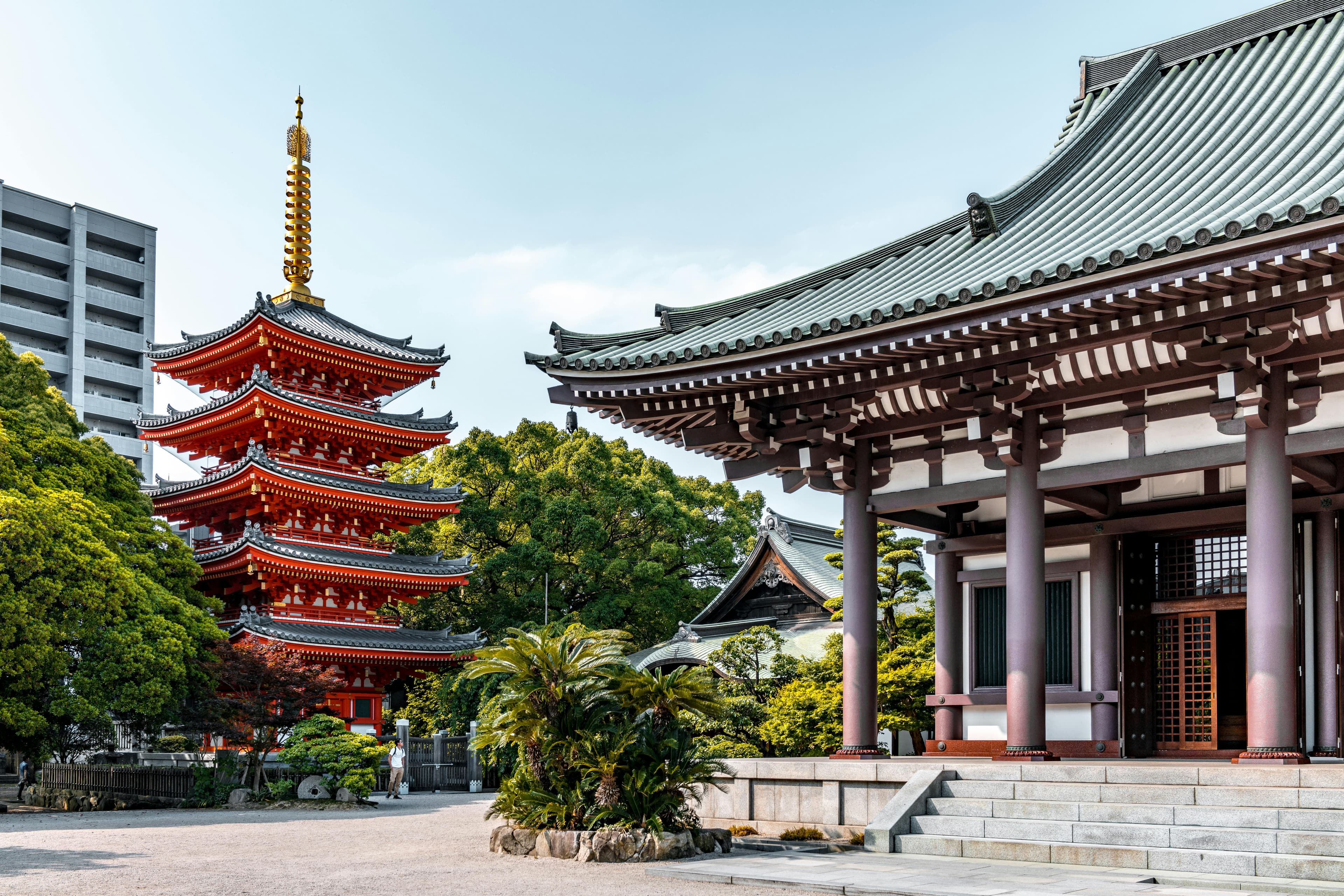
Fifteen stones in raked gravel—Zen abstraction at its purest.
UNESCO; contemplative seating veranda.
Best time: Opening or rain
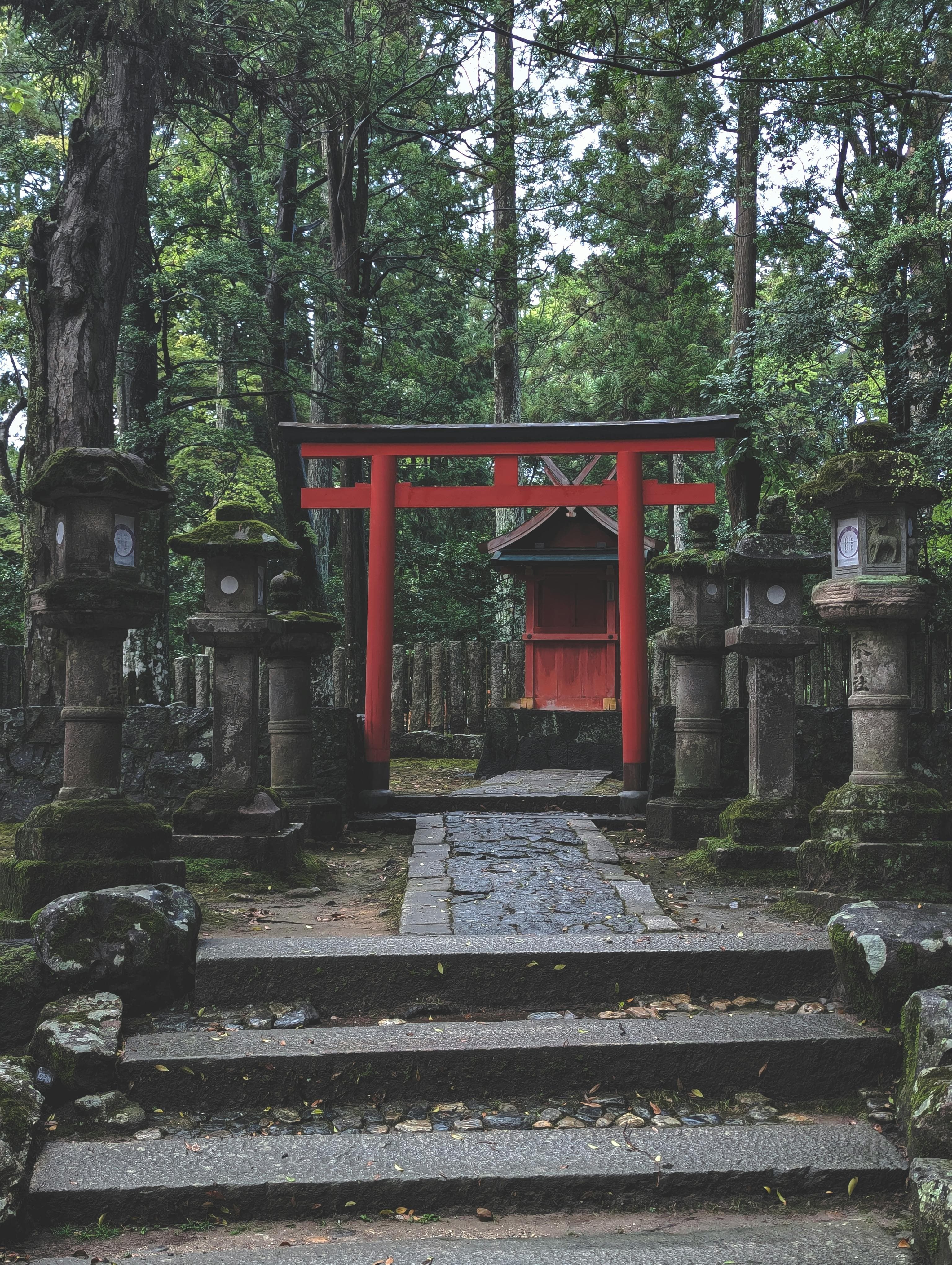
Gardens framed as living paintings with mountain backdrop.
Repeated #1 garden ranking; art museum attached.
Best time: Autumn
Feudal lord’s stroll garden with lawns, rice paddies, and cranes.
One of three great gardens; Okayama Castle views.
Best time: Spring

French, English, and Japanese landscape styles in one vast park.
Cherry variety; greenhouse; urban calm.
Best time: Sakura week
Edo stroll garden around a central pond with miniature hills.
Night illuminations in autumn; tea house.
Best time: November evenings
Carpet of 120 moss varieties—reservation and sutra copying.
Deep green silence; limited access.
Best time: Rainy season moss peak
Silver Pavilion with sand sea and moon-viewing platform.
Philosopher’s Path start; sand raking art.
Best time: Autumn walk
Imperial temple gardens with late-blooming cherry orchard.
Omuro cherry fame; UNESCO complex.
Best time: Mid-April cherry
Featured experiences
Matcha and wagashi in tatami rooms overlooking moss.
Night openings at Rikugien, Eikan-do, temple gardens.
Tripod-friendly hours at Kenrokuen and Korakuen.
English tours at imperial villas and Adachi.
Omiya bonsai village near Tokyo or Kyoto nurseries.
Some gardens demonstrate pine training in winter.
Culture & etiquette
Stepping on moss or island grass damages years of care.
Gardens are meditative—phone calls should be taken outside.
Tripods often restricted; drones banned.
Remove shoes; follow host seating order.
Imperial villas and Saiho-ji require advance booking—never show without.
Itinerary ideas
Local flavors
Bitter tea balanced by seasonal sweets in teahouses.
Kyoto tofu hot pot after garden mornings.
Seasonal plates echoing garden aesthetics.
Light sandwiches at museum cafes—Kenrokuen, Adachi.
Kanazawa tsukemono alongside garden visits.
Photography spots
Classic pond, pine, and lantern triangle.
River and mountain frame—not a formal garden but essential pairing.
Frequently asked questions
Best garden for first visit?
Kenrokuen or Shinjuku Gyoen for scale; Ryoan-ji for Zen icon.
Are gardens wheelchair accessible?
Varies—Shinjuku Gyoen good; historic villas often not.
How long per garden?
45 minutes to 2 hours depending on size and tea stops.
Saiho-ji booking?
Apply by postcard or online lottery weeks ahead—plan early.
Autumn peak timing?
Mid-November in Kyoto; earlier in Hokkaido, later in Kyushu.
Can I sketch or paint?
Often yes with small setups; no commercial shoots without permit.
Garden vs park?
Gardens charge fees and have design rules; parks allow picnics more freely.
Winter visits worthwhile?
Yes—snow scenes, plum blossoms in February, fewer crowds.
Tea ceremony cost?
¥500–2,000 add-on at many gardens and temples.
Photography with tripod?
Ask staff—often banned in crowded UNESCO sites.
Explore more on japan-walk.com